https://dx.doi.org/10.24016/2026.v12.485
ORIGINAL ARTICLE
Video game–based interventions for depressive symptoms in adults: A
systematic review and qualitative synthesis
Fritz Fidel Váscones-Román 1,2,3,4,5, Diego Alonso Quiroz-Marcelo 1*,2,4, Diana Karina Común-Gutierrez 1,2,4,6; Diego Fernando Sanchez-Torres 1Franz Jair Vera-Arias 1,4,
Gonzalo Jair Callahuanca-Flores 1,2,4,
Niels Pacheco-Barrios 1,2,4,5
1 Faculty of Medicine, Universidad Peruana Cayetano
Heredia, Lima, Peru.
2 Astrocyte, Neurosurgical Research Group, Boston, Massachusetts,
United States of America.
3 Centro Básico de Investigación en Neurocirugía
Endovascular, Neurocirugía Vascular y Base de Cráneo, Instituto Nacional de
Ciencias Neurológicas, Lima, Peru.
4 Váscones’s Lab, Lima, Peru.
5 Harvard University, Boston, Massachusetts, United
States of America.
6 Faculty of Education, Universidad Peruana Cayetano
Heredia, Lima, Peru.
* Correspondence: diego.quiroz@upch.pe
Received: October 15, 2025 | Revised: March 03, 2026 | Accepted: June 17, 2026 | Published Online: July 26, 2026.
CITE IT AS:
Váscones-Román, F. F., Quiroz-Marcelo, D.
A., Común-Gutierrez, D. K., Sanchez-Torres, D. F., Vera-Arias, F. J., Callahuanca-Flores, G. J., & Pacheco-Barrios, N.
(2026). Video game–based interventions for depressive symptoms in adults: A
systematic review and qualitative synthesis. Interacciones, 12, e485. https://doi.org/10.24016/2026.v12.485
ABSTRACT
Background: Depression is one of the most prevalent mental health
disorders worldwide, and conventional treatments may face limitations related
to accessibility, stigma, adherence, and variable response. Video game–based
interventions, including serious games and commercially available off-the-shelf
games, have emerged as potentially accessible and engaging tools for supporting
mental health care.
Objective: This systematic review aimed to evaluate the reported
therapeutic effects of video game–based interventions on depressive symptoms in
adults through a structured qualitative synthesis of the available evidence.
Methods: A comprehensive search was conducted in PubMed,
PsycINFO, Cochrane Library, Web of Science, and IEEE Xplore for studies
published from January 2018 to January 2024, following PRISMA guidelines and a
protocol registered in PROSPERO (CRD420251107133). Eligible studies included
adult participants with a clinical diagnosis of depression or elevated
depressive symptoms, evaluated video game–based interventions, and reported
depressive symptom outcomes using validated or clearly defined psychological
measures. Randomized controlled trials and non-randomized interventional
studies were included. Risk of bias (RoB) was
assessed using RoB 2 for randomized trials and
ROBINS-I for non-randomized studies.
Results: Of 2,038 records identified, 13 studies met the
inclusion criteria. The included studies varied substantially in design,
population, intervention type, platform, duration, comparator condition, and
outcome measurement. Video game–based interventions were generally associated
with improvements in depressive symptoms, while secondary outcomes included
anxiety, emotional regulation, cognitive function, sleep quality,
self-efficacy, and psychological well-being when reported. Common intervention
types included casual games, exergames, role-playing games, mobile
applications, and online games. However, methodological heterogeneity, small
sample sizes in several studies, variable risk of bias, and limited follow-up
reduced the comparability of findings and precluded quantitative synthesis.
Conclusion: The available evidence suggests that video game–based
interventions may be associated with improvements in depressive symptoms in
adults. However, due to methodological heterogeneity, variable risk of bias,
and the absence of meta-analysis, these findings should be interpreted with
caution. Further adequately powered randomized controlled trials with
standardized intervention reporting, validated depression outcomes, appropriate
comparator groups, and long-term follow-up are needed to clarify their
therapeutic role.
Keywords: video games, depression, mental health, serious games, commercial video
games, systematic review.
INTRODUCTION
Mental disorders, such as depression, anxiety, and
stress, represent a global challenge with a high epidemiological burden.
Despite advances in conventional treatments, such as pharmacological and
psychological therapy, many people still face barriers to access, social
stigma, and limitations in the effectiveness of these interventions. Given this
situation, it is crucial to explore more accessible complementary therapies for
mental health (Abd-Alrazaq et al., 2022; Bocci et
al., 2023; Fleming et al., 2017; Granic et al.,
2014).
Serious games, video games designed with a purpose
beyond entertainment, have emerged as a promising tool in the treatment of
mental disorders. Their positive impact may be explained through
neurobiological, psychological, and social mechanisms, including the
stimulation of neurotransmitters associated with well-being, the improvement of
emotional regulation, and the promotion of social interaction (Abd-Alrazaq et al., 2022; Bocci et al., 2023; Fleming et al.,
2017). Additionally, they offer advantages such as accessibility and lower cost
compared to conventional therapies. However, their implementation faces
challenges, such as the need for rigorous studies to validate their
effectiveness in different therapeutic contexts (Abd-Alrazaq
et al., 2022; Granic et al., 2014).
Interest in serious games, exergames, commercial video
games, and gamified digital interventions for mental health has increased
substantially in recent years. Previous systematic reviews and meta-analyses
have suggested that game-based interventions may reduce depressive symptoms,
anxiety, or stress, particularly when they incorporate cognitive-behavioral,
behavioral activation, physical activity, or engagement-enhancing components.
However, the available literature remains heterogeneous in terms of study design,
age group, clinical population, intervention type, comparator condition,
outcome measurement, and follow-up duration.
Despite these contributions, important gaps remain.
Existing reviews often combine multiple psychiatric conditions, heterogeneous
age groups, and diverse digital interventions, making it difficult to isolate
the specific contribution of video game–based interventions for depressive
symptoms in adults. In addition, serious games and commercially available
off-the-shelf games are frequently discussed despite differences in therapeutic
intent, design principles, accessibility, and mechanisms of engagement. This
limits the specificity of conclusions regarding depressive symptoms and
highlights the need for a focused systematic review that critically synthesizes
the available evidence on video game–based interventions for depression in
adult populations.
Therefore, this systematic review aimed to evaluate
the reported therapeutic effects of video game–based interventions, including
serious games and commercially available off-the-shelf games, on depressive
symptoms in adults through a structured qualitative synthesis of the available
evidence. The review was guided by the following research question: What are
the therapeutic effects of video game–based interventions on depressive
symptoms in adults?
METHODS
Study Design and Registration
This systematic review was conducted according to the
Preferred Reporting Items for Systematic Reviews and Meta-Analyses (PRISMA)
guidelines. The protocol was registered in PROSPERO (CRD420251107133). The
study was designed as a systematic review rather than a scoping review because
it addressed a focused evaluative question, used predefined eligibility
criteria, applied a structured PICO framework, involved independent study
selection, and included a formal risk-of-bias assessment using validated tools.
The objective was to evaluate the therapeutic impact
of video game–based interventions on depressive symptoms in adults. Anxiety,
emotional regulation, cognitive function, sleep quality, social interaction,
self-efficacy, and psychological well-being were considered secondary outcomes
when reported by the included studies.
The review question was structured using the PICO
framework as follows: Population: adults aged 18 years or older with a clinical
diagnosis of depression or elevated depressive symptoms; Intervention: video
game–based interventions, including serious games and commercially available
off-the-shelf video games; Comparator: usual care, waitlist, non-gaming control
conditions, alternative digital or non-digital activities, or no comparator
when studies used single-arm designs; Outcome: change in depressive symptom
severity measured using validated instruments. Secondary outcomes included
anxiety, cognitive function, emotional regulation, sleep quality, social
interaction, self-efficacy, and psychological well-being.
Although the included studies were heterogeneous in
design, intervention format, and outcome measurement, the review maintained a
focused evaluative objective and incorporated a formal risk-of-bias assessment.
Therefore, findings were synthesized qualitatively rather than statistically
pooled.
Search Strategy and Databases
We designed a comprehensive search strategy to
identify relevant literature published between January 2018 and January 2024 to
capture the most recent applications. The search was performed in five
electronic databases: PubMed, PsycINFO, Cochrane Library, Web of Science, and
IEEE Xplore. The search terms included a combination of Medical Subject
Headings (MeSH) and keywords related to “video
games,” “depression,” “anxiety,” “mental health,” and “therapeutic
interventions.” Boolean operators (AND, OR) were used to refine the results.
Additionally, a manual search of the reference lists of the included studies was
conducted to identify additional eligible studies. All records were imported
into citation management software, and duplicates were removed prior to
screening. The complete database-specific search strategies, including MeSH terms, keywords, Boolean operators, filters, search
date, and number of records retrieved from each database, are provided in
Supplementary Material 2. A completed PRISMA 2020 checklist is provided in
Supplementary Material 1. Full-text records excluded after eligibility
assessment, together with reasons for exclusion, are provided in Supplementary
Material 3.
Eligibility Criteria
Studies were eligible if they met the following
criteria: (1) included predominantly adult participants aged 18 years or older
with a clinical diagnosis of depression or elevated depressive symptoms; (2)
evaluated a video game–based intervention, including serious games specifically
designed for therapeutic or health-related purposes and commercially available
off-the-shelf games originally developed for entertainment and publicly
accessible through standard distribution platforms, regardless of whether they
were paid, free, or open access; (3) reported depressive symptom severity using
validated instruments or clearly defined psychological outcome measures; (4)
were published as full-text peer-reviewed articles or preprints; and (5) used
an interventional or quasi-interventional design, including randomized
controlled trials, quasi-experimental studies, single-arm trials, longitudinal
intervention studies, or experimental designs.
Eligible gaming platforms included consoles, personal
computers, mobile devices, online platforms, virtual reality systems, and
motion-based exergaming systems. Depression was considered the primary outcome
of interest. Anxiety, cognitive function, emotional regulation, sleep quality,
social interaction, self-efficacy, and psychological well-being were considered
secondary outcomes because they may represent psychological, behavioral, or
functional domains related to depressive symptom change.
Studies were excluded if they were reviews,
editorials, letters, case reports, conference abstracts without full text,
non-human studies, purely correlational studies without a clear intervention,
or studies in which the video game exposure was not clearly described. The
restriction to English and Spanish was retained due to feasibility and reviewer
language competency and is acknowledged as a limitation.
Study Selection
Two independent reviewers screened all titles and
abstracts against the predefined eligibility criteria. The full texts of
potentially eligible records were then independently assessed by the same two
reviewers. Disagreements at any stage were resolved through discussion and
consensus; when consensus could not be reached, a third reviewer was consulted.
Reasons for full-text exclusion were recorded and are provided in Supplementary
Material 3. The selection process was documented using a PRISMA flow diagram to
ensure transparency and replicability.
Data Extraction
A standardized data extraction form was developed and
pilot-tested to ensure consistency. The following data were collected from each
included study: first author, publication year, country, study design, sample
size, participant demographics (age, sex), game type and platform, intervention
duration and frequency, outcome measures used, and main findings related to
depressive symptoms or other psychological outcomes. When necessary,
corresponding authors were contacted to clarify missing or ambiguous data.
Risk of Bias and Quality Assessment
To ensure methodological rigor, the risk-of-bias
assessment was matched to each study design using two validated tools: for
randomized controlled trials, the revised Cochrane risk-of-bias tool (RoB 2) was applied (Sterne et al., 2019), while for
non-randomized studies, the Risk of Bias in Non-randomized Studies of
Interventions (ROBINS-I) tool was used (Sterne et al., 2016). Two independent
reviewers applied these tools to each study, and discrepancies were resolved by
consensus or consultation with a third reviewer. For RoB
2, judgments were classified as low risk, some concerns, or high risk of bias
by domain. For ROBINS-I, studies were classified as low, moderate, serious, or
critical risk of bias. Due to substantial heterogeneity in study designs,
populations, interventions, comparator conditions, outcome measures, and
follow-up duration, a structured qualitative synthesis was conducted rather
than a quantitative meta-analysis or formal certainty-of-evidence grading. A
color-coded traffic light plot was generated to summarize domain-level
risk-of-bias judgments across the included studies.
RESULTS
Study Selection
Results are presented with a primary focus on changes
in depressive symptoms, followed by secondary psychological and cognitive
outcomes. A total of 2,038 records were initially identified through electronic
database searches. After removing 1,383 duplicates, 655 records remained for
title and abstract screening. Of these, 615 were excluded for not meeting the
inclusion criteria. Full-text review was performed for 40 studies, and 27 were
excluded for reasons such as ineligible population (n = 14), irrelevant
outcomes (n = 7), or being conference abstracts only
(n = 6). Ultimately, 13 studies met the eligibility criteria and were included
in this systematic review (Figure 1).
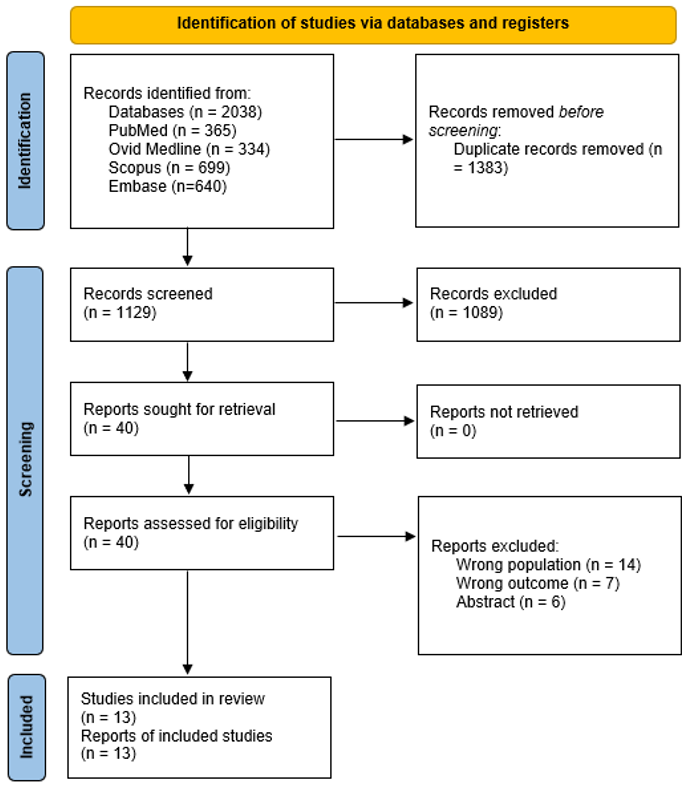
Figure 1. PRISMA flow diagram of the study selection process.
General Characteristics of the Studies
The 13 studies included in this review were conducted
in a variety of countries, with the highest number of studies from the United
States (n = 4), followed by England (n = 3) and China (n = 2). Study designs
included randomized controlled trials (n = 4), experimental studies (n = 5),
cross-sectional studies (n = 2), longitudinal studies (n = 1), and
quasi-experimental designs (n = 1). Sample sizes varied widely, ranging from 18
to 29,909 participants. The age ranged from 13 to 94 years, although most studies
focused on adult populations. Notably, five studies (38.5%) specifically
targeted older adults aged 60 years and above. The gender distribution across
studies also varied, with some studies including only female or male
participants, while others had mixed samples (Table 1).
The included interventions differed substantially in
therapeutic intent, game type, platform, duration, and proposed active
components. Serious games and therapeutic applications commonly incorporated
structured elements such as behavioral activation, psychoeducation, mood
monitoring, or engagement-enhancing strategies. Exergames primarily involved
physical activation, movement-based interaction, and goal-directed activity.
Casual games appeared to involve distraction, reward, short-term mood
modulation, and emotional regulation, whereas role-playing and online games
were more frequently associated with immersion, escapism, autonomy, competence,
and social interaction. However, most studies did not provide detailed
intervention manuals, theoretical frameworks, or standardized descriptions of
game mechanics, limiting the interpretation of which components may have
contributed to changes in depressive symptoms.
Table 1.General characteristics of included
studies
|
First Author, Year |
Country |
Study Design |
N° Participants |
Age (Mean/Range) |
Male (%) |
|
Hazel, 2022 |
England |
Cross-sectional |
2107 |
13-34 years (81.8%) |
69.5% |
|
Heinbach, 2021 |
England |
Cross-sectional |
52 |
59.2 years (49-71) |
61.5% |
|
Vanderkruik, 2024 |
Canada |
Single-arm trial |
18 |
34.3 years |
0.0% |
|
Dos Santos, 2023 |
USA |
Experimental study |
22 |
70.6 ± 7.7 (60-90) |
0.0% |
|
Ximeng, 2022 |
China |
Randomized controlled trial |
33 |
18-26 years |
21.2% |
|
Larche, 2021 |
Canada |
Two experiments |
124 |
NR |
NR |
|
Jahouh, 2021 |
Spain |
Longitudinal (Experimental & Control) |
80 |
Control: 83.25 ± 8.78, Experimental: 85.05 ± 8.63 |
43.8% |
|
Russoniello, 2019 |
USA |
Randomized controlled trial |
49 |
PvZ: 41 ± 13.3, sAD: 45 ± 12.2 |
18.4% |
|
Jinhui, 2017 |
Singapore |
Experimental study |
102 |
71.4 ± 7.87 |
36.3% |
|
Fan, 2022 |
China |
Quasi-experimental (DID method) |
29909 |
61.09 ± 9.52 |
48.5% |
|
Farahiyah, 2020 |
USA |
Pilot RCT |
36 |
NR |
NR |
|
Li, 2016 |
USA |
Randomized controlled trial |
49 |
71.12 ± 8.67 |
40.8% |
|
Rosemberg, 2010 |
England |
Small uncontrolled trial |
19 |
78.7 (63-94) |
31.6% |
Note: NR: not report. PvZ: Plants vs. Zombies™. sAD: second
antidepressant
Study Outcomes
Depressive symptom severity was treated as the primary
outcome of this review. Across the included studies, video game–based
interventions were generally associated with improvements in depressive
symptoms, although the magnitude, measurement instruments, comparator
conditions, and statistical reporting varied substantially. Several studies
documented reductions in depression scores using validated scales such as the
Patient Health Questionnaire-9, Depression Anxiety Stress Scales-21, Quick
Inventory of Depressive Symptomatology, Beck Depression Inventory-II, and
Center for Epidemiologic Studies Depression Scale. Anxiety, emotional
regulation, cognitive performance, sleep quality, self-efficacy, social
interaction, and psychological well-being were interpreted as secondary
outcomes when reported and were not considered equivalent to depressive symptom
reduction.
The most common game genres used as interventions were
casual games (n = 5), exergames (n = 3), and role-playing games (RPGs; n = 2).
Platforms used to deliver the interventions included consoles (n = 8), personal
computers (n = 2), mobile apps (n = 1), and unspecified online games (n = 1).
The duration of individual gaming sessions ranged from 15 to 60 minutes, with
intervention periods lasting between 4 and 12 weeks, depending on the study.
Several evidence gaps were identified. These included
small sample sizes in clinical trials, limited long-term follow-up,
heterogeneous outcome instruments, inconsistent reporting of intervention
protocols, limited information on active game components, and insufficient
separation between serious games, commercial video games, and exergames. These
limitations reduced comparability across studies and precluded quantitative
synthesis.
Table 2. Study outcomes and depression symptom improvements.
|
First Author, Year |
Depression & Symptoms Improvement |
Other Psychological Outcomes |
Game Genre |
Gaming Platform |
Time Spent Playing |
|
Hazel, 2022 |
Yes |
Improved mental well-being |
RPG, MOBA, Music, Survival
Horror |
NR |
1-6h/week (21.9%),
7-10h/week (29.1%), >10h/week (48.5%) |
|
Heinbach, 2021 |
Yes |
PROMIS score reduction |
Exergames |
Console |
50 min, 3x/week, 10 weeks |
|
Vanderkruik, 2024 |
Yes |
Increased app engagement |
Behavioral Activation Mobile App |
Mobile |
10 weeks |
|
Dos Santos, 2023 |
Yes |
Improved mood (POMS) |
Dance Central |
Console |
12 weeks, 2x/week, 50
min/session |
|
Ximeng, 2022 |
Yes |
Improved anxiety, stress,
emotional regulation |
Casual (Music-based) |
PC |
4 weeks, 5x/week, ≥20
min/session |
|
Larche, 2021 |
Yes |
Escapism motivation linked
to depression (RPG) |
RPG (Skyrim), Arcade |
PC / Mac |
Skyrim: 15 min/session, 2
blocks; Winterbells: 5 min/session, 2 blocks |
|
Jahouh, 2021 |
Yes |
Improved cognition,
attention, memory, ADLs |
Casual (Wii Fit) |
Console |
8 weeks, 20 sessions (40-45
min), 2-3x/week |
|
Russoniello, 2019 |
Yes |
16 participants no longer clinically depressed |
Casual (Plants vs. Zombies) |
Multiplatform |
4 weeks, 16 sessions (30-45
min), 4x/week |
|
Jinhui, 2017 |
Yes |
Positive emotions |
Exergames |
Console |
6 weeks, 1x/week (60
min) |
|
Fan, 2022 |
Yes |
Video games > Videos/News
for depression reduction |
Online games |
NR |
Time not specified |
|
Farahiyah, 2020 |
Yes |
Improved sleep & psychological
health |
Exergames (Xbox Kinect) |
Console |
6 weeks, 3x/week, 30
min/session |
|
Li, 2016 |
Yes |
Positive emotions, self-efficacy |
Sports (Wii) |
Console |
1h/week, consecutive weeks |
|
Rosemberg, 2010 |
Yes |
Improved QIDS, SF-36, RBANS |
Sports (Wii) |
Console |
12 weeks |
Note: NR: not report
Assessment Tools Used
A range of standardized psychological instruments was
used across the studies to measure depression and associated outcomes. The
PHQ-9 was used in four studies, while the DASS-21 and QIDS were used in three
and two studies, respectively. Other tools included the Beck Depression
Inventory (BDI-II), Generalized Anxiety Disorder scale (GAD-7), and the Center
for Epidemiologic Studies Depression Scale (CES-D). Cognitive function was
assessed using tools such as the Mini-Mental State Examination (MMSE), Repeatable
Battery for the Assessment of Neuropsychological Status (RBANS), and Memory
Cognitive Evaluation (MCE). Measures of well-being and self-efficacy included
the Warwick-Edinburgh Mental Wellbeing Scale, the Flourishing Scale, and the
General Self-Efficacy Scale (GSES) (Table 3).
Outcome domains were organized according to their
relevance to the review question. Depressive symptom severity was the primary
outcome. Secondary outcomes were extracted when reported because they may
represent related psychological or functional domains associated with
depression, including anxiety, cognitive function, emotional regulation, sleep
quality, self-efficacy, social interaction, and psychological well-being. These
secondary outcomes were analyzed as contextual findings rather than as primary
indicators of intervention effectiveness.
Table 3. Assessment tools used in
included studies.
|
First Author, Year |
Depression & Psychological Assessment |
Cognitive Assessment |
Self-Esteem & Well-being |
|
Hazel, 2022 |
Warwick-Edinburgh Mental
Wellbeing Scale, Flourishing Scale |
NR |
Basic Psychological Needs
Scale (Autonomy) |
|
Heinbach, 2021 |
PROMIS, SANS |
NR |
NR |
|
Vanderkruik, 2024 |
PHQ-9, GAD-7 |
NR |
NR |
|
Dos Santos, 2023 |
POMS |
MMSE |
NR |
|
Ximeng., 2022 |
BDI-II, DASS-21 |
Not directly assessed |
General Self-Efficacy Scale
(GSES) |
|
Larche, 2021 |
DASS-21 (outside gaming
context) |
Not assessed |
MAAS (attention in daily
life) |
|
Jahouh, 2021 |
EDG-15 (Yesavage
Geriatric Depression Scale) |
MCE |
Katz Index of Independence
in ADLs |
|
Russoniello, 2019 |
QIDS, PHQ-9 |
NR |
NR |
|
Jinhuil, 2017 |
PHQ-9 |
NR |
NR |
|
Fan, 2022 |
CES-D |
NR |
NR |
|
Farahiyah, 2020 |
DASS-21 |
NR |
Feasibility Questionnaire |
|
Li, 2016 |
PHQ-9, PANAS |
NR |
General Self-Efficacy Scale
(short version) |
|
Rosemberg, 2010 |
QIDS, MOS SF-36 |
RBANS |
NR |
Note: NR: not report
Risk of Bias
The risk-of-bias assessment showed variability in
methodological quality across the included studies (Figure 2). Among randomized
trials, the most frequent concerns involved deviations from intended
interventions, missing outcome data, and outcome measurement. Among
non-randomized studies, the most frequent concerns involved confounding,
participant selection, intervention classification, and incomplete reporting of
participant characteristics. Although some studies were rated as having an
overall low risk of bias, incomplete reporting of demographic characteristics,
such as age or sex, may introduce concerns related to participant selection and
should be considered when interpreting the findings. A color-coded traffic
light plot was added to summarize risk-of-bias judgments across domains and
improve visual interpretation of the methodological quality of the included
studies.
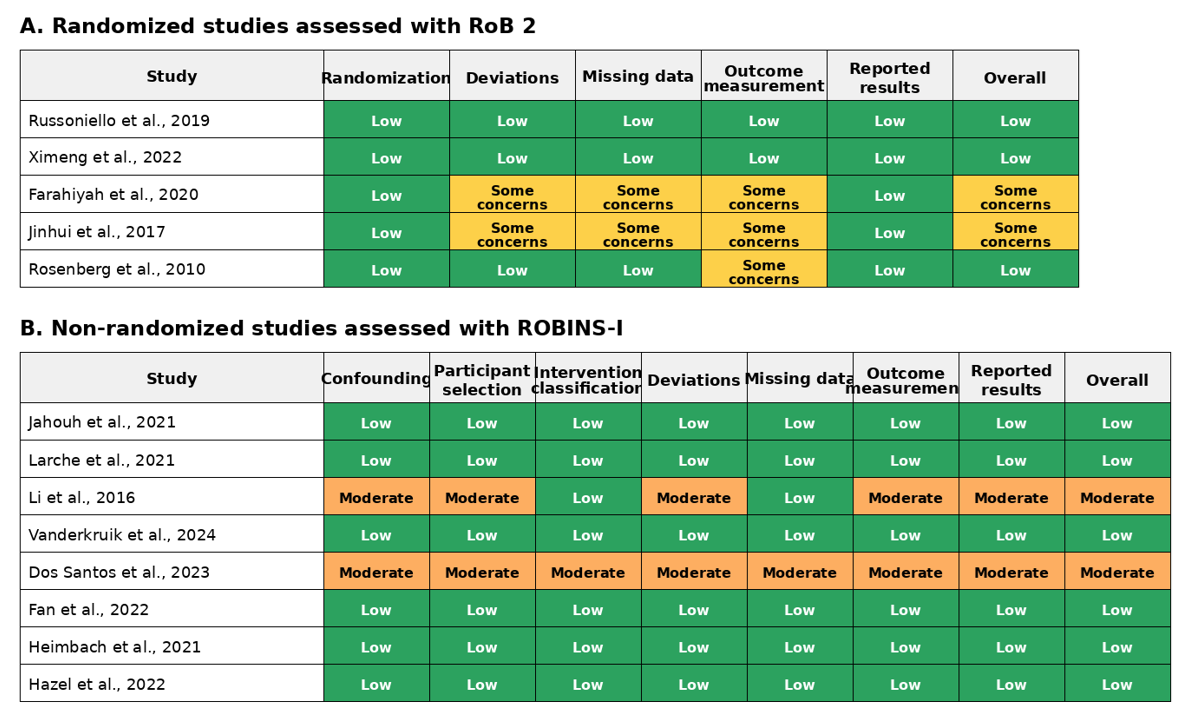
Figure 2. Risk-of-bias traffic light plot included studies.
Panel A summarizes randomized studies assessed using RoB 2. Panel B summarizes non-randomized studies assessed
using ROBINS-I. Green indicates low risk of bias, yellow indicates some
concerns, and orange indicates moderate risk of bias. RoB
2 domains included randomization process, deviations from intended
interventions, missing outcome data, outcome measurement, selection of reported
results, and overall risk of bias. ROBINS-I domains included confounding,
selection of participants, classification of interventions, deviations from
intended interventions, missing data, measurement of outcomes, selection of
reported results, and overall risk of bias. Detailed domain-level judgments for
RoB 2 and ROBINS-I are provided in Supplementary
Material 4.
DISCUSSION
Main Findings
This systematic review synthesized evidence from 13
studies evaluating video game–based interventions, including serious games and
commercially available off-the-shelf games, for depressive symptoms in adults.
Overall, the included studies reported improvements in depressive symptoms or
related psychological outcomes after video game–based interventions. However,
these findings should be interpreted cautiously because the evidence base was
highly heterogeneous in terms of study design, population, intervention type,
comparator condition, intervention dose, outcome measurement, and follow-up
duration.
Randomized controlled trials provided stronger
internal validity but were generally limited by small sample sizes, short
follow-up periods, and variability in outcome measures. Non-randomized,
single-arm, and quasi-experimental studies contributed useful information
regarding feasibility, acceptability, and real-world implementation but were
more vulnerable to confounding, expectancy effects, and selection bias.
Therefore, the consistency of positive findings across studies should be
considered preliminary rather than definitive evidence of clinical
effectiveness.
The mechanisms through which video games may influence
depressive symptoms also appeared to differ across intervention types.
Exergames may partly act through physical activation and increased engagement
in goal-directed activity. Casual games may provide distraction, reward, and
short-term mood modulation. Serious games and mobile applications may
incorporate therapeutic components such as behavioral activation,
psychoeducation, or mood monitoring. Role-playing and online games may involve
immersion, autonomy, competence, escapism, or social interaction. However,
because most studies did not provide detailed descriptions of game mechanics or
intervention components, it remains difficult to determine which elements are
most strongly associated with depressive symptom improvement.
Comparison with Previous Literature
The findings of this review are consistent with
previous systematic reviews and meta-analyses suggesting that serious games,
exergames, and gamified digital interventions may reduce depressive symptoms.
However, prior reviews have also emphasized important limitations, including
small sample sizes, heterogeneous interventions, short-term follow-up, variable
comparator conditions, and low or uncertain certainty of evidence. Reviews
focused on commercial video games similarly suggest potential benefits for mood,
anxiety, stress, social connection, and cognitive engagement, but much of this
evidence remains heterogeneous and includes non-clinical populations (Ju, 2022;
Li et al., 2020).
Compared with previous reviews, the present study
focused specifically on depressive symptoms in adults and included both serious
games and commercially available off-the-shelf games. This distinction is
important because serious games are typically designed with explicit
therapeutic goals, whereas commercial games are primarily designed for
entertainment and may exert psychological effects through engagement,
immersion, reward, social interaction, or distraction (Primack et al., 2012;
Sterne et al., 2016). The present review also distinguished depressive symptom
severity as the primary outcome and interpreted anxiety, cognitive function,
emotional regulation, and well-being as secondary contextual outcomes (Sterne
et al., 2019).
Strengths and Limitations of Evidence
A strength of this review is its focused evaluation of
video game–based interventions for depressive symptoms in adults using a
predefined PICO framework, systematic study selection, structured data
extraction, and formal risk-of-bias assessment with design-specific tools. The
review also considered both serious games and commercially available
off-the-shelf games, allowing comparisons across different types of game-based
interventions.
However, several limitations should be acknowledged.
First, the included studies were highly heterogeneous in design, intervention
type, population characteristics, outcome measures, comparator conditions, and
follow-up duration. This heterogeneity precluded meta-analysis and limited the
ability to estimate pooled effects. Second, several studies had small sample
sizes, limited follow-up, or incomplete reporting of intervention components,
which reduces confidence in the reproducibility and durability of the reported
effects. Third, some non-randomized studies were vulnerable to confounding and
selection bias. Fourth, the restriction to English and Spanish may have
excluded relevant studies published in other languages. Finally, because
several studies did not provide detailed descriptions of game mechanics,
therapeutic components, or adherence, it was not possible to determine which
intervention features were most strongly associated with depressive symptom
improvement.
Implications for Practice and Policy
The findings suggest that video game–based
interventions may represent a potentially accessible and engaging adjunctive
approach for depressive symptoms. However, current evidence is not sufficient
to support broad clinical implementation as a standalone treatment. Instead,
video game–based interventions should be considered experimental or
complementary tools that require further validation before integration into
routine mental health care.
Future implementation should consider clinical
supervision, user safety, screen time, privacy, data protection, accessibility,
and potential risks related to excessive gaming or problematic use.
Collaboration among clinicians, researchers, patients, and game developers may
help design interventions that are evidence-informed, engaging, safe, and
appropriate for specific populations.
Future Research Directions
Future research should prioritize adequately powered
randomized controlled trials with clearly defined comparator groups,
standardized depression outcomes, transparent reporting of intervention
components, and long-term follow-up. Studies should report game genre,
platform, duration, frequency, adherence, theoretical framework, and proposed
active components in sufficient detail to allow replication. Future trials
should also examine whether effects differ by age, sex, baseline depression
severity, clinical diagnosis, gaming experience, and intervention type.
Comparative studies are needed to determine whether serious games, commercial
video games, exergames, or mobile game-based applications differ in
effectiveness, acceptability, adherence, and safety. Economic evaluations and
implementation studies are also needed before these interventions can be
recommended for broader clinical use.
Conclusion
This systematic review found that video game–based
interventions, including serious games and commercially available off-the-shelf
games, were generally associated with improvements in depressive symptoms among
adults across the included studies. However, the evidence remains limited by
heterogeneity in study design, intervention type, outcome measurement,
comparator conditions, and follow-up duration. Because no meta-analysis was
conducted and several studies had methodological limitations, the findings should
be interpreted cautiously. Future research should prioritize adequately powered
randomized controlled trials, standardized reporting of game characteristics
and therapeutic components, validated depression outcomes, appropriate
comparator conditions, and long-term follow-up to clarify the role of video
game–based interventions in depression care.
ORCID
Fritz
Fidel Váscones-Román: https://orcid.org/0000-0001-9564-0710
Diego
Alonso Quiroz-Marcelo: https://orcid.org/0000-0001-7001-5791
Diana
Karina Común-Gutierrez: https://orcid.org/0000-0001-8088-9708
Diego Fernando Sanchez-Torres: https://orcid.org/0009-0005-3735-6769
Franz Jair Vera-Arias: https://orcid.org/0000-0003-4700-0721
Gonzalo
Jair Callahuanca-Flores: https://orcid.org/0009-0001-5926-7127
Niels Pacheco-Barrios: https://orcid.org/0000-0001-5586-8251
AUTHORS’ CONTRIBUTION
Fritz Fidel Váscones-Román: Conceptualization,
investigation, writing, review, supervision, and approval of the final version.
Diego
Alonso Quiroz-Marcelo: Conceptualization,
investigation, writing, review, supervision, and approval of the final version.
Diana
Karina Común-Gutierrez: Conceptualization,
investigation, writing, review, supervision, and approval of the final version.
Diego
Fernando Sanchez-Torres: Conceptualization,
investigation, writing, review, supervision, and approval of the final version.
Franz
Jair Vera-Arias: Conceptualization,
investigation, writing, review, supervision, and approval of the final version.
Gonzalo
Jair Callahuanca-Flores: Conceptualization,
investigation, writing, review, supervision, and approval of the final version.
Niels
Pacheco-Barrios: Review,
supervision, and approval of the final version.
FUNDING
No funding was
received for this study.
CONFLICT
OF INTEREST
The authors declare that there were no conflicts of
interest in the collection of data, analysis of information, or writing of the
manuscript.
ACKNOWLEDGMENTS
Not applicable.
REVIEW
PROCESS
This study has been reviewed by two external reviewers in double-blind
mode. The editor in charge was Renzo Rivera. The review process is included as supplementary
material 5.
DATA AVAILABILITY
STATEMENT
Not applicable.
DECLARATION OF THE USE OF GENERATIVE ARTIFICIAL INTELLIGENCE
Support technology was used to improve translation and writing in this
manuscript. No data was generated in IA. The final version of the manuscript
was reviewed and approved by all authors.
DISCLAIMER
The authors are responsible for all statements made in this article.
REFERENCES
Abd-Alrazaq, A., Al-Jafar, E., Alajlani,
M., Toro, C., Alhuwail, D., Ahmed, A., Reagu, S. M., Al-Shorbaji, N.,
& Househ, M. (2022). The Effectiveness of Serious Games for Alleviating
Depression: Systematic Review and Meta-analysis. JMIR serious games, 10(1), e32331.
https://doi.org/10.2196/32331Bocci, F., Ferrari, A., & Sarini, M. (2023). Putting the Gaming Experience at the
Center of the Therapy-The Video Game Therapy® Approach. Healthcare (Basel,
Switzerland), 11(12), 1767. https://doi.org/10.3390/healthcare11121767
Fleming, T. M., Bavin, L., Stasiak, K.,
Hermansson-Webb, E., Merry, S. N., Cheek, C., Lucassen, M., Lau, H. M., Pollmuller, B., & Hetrick, S. (2017). Serious Games and
Gamification for Mental Health: Current Status and Promising Directions.
Frontiers in psychiatry, 7, 215. https://doi.org/10.3389/fpsyt.2016.00215
Granic, I., Lobel, A., & Engels, R. C.
(2014). The benefits of playing video games. The American psychologist, 69(1),
66–78. https://doi.org/10.1037/a0034857
Hazel, J., Kim, H. M., & Every-Palmer,
S. (2022). Exploring the possible mental health and wellbeing benefits of video
games for adult players: A cross-sectional study. Australasian psychiatry:
bulletin of Royal Australian and New Zealand College of Psychiatrists, 30(4),
541–546. https://doi.org/10.1177/10398562221103081
Ju U. (2022). Identifying neural
correlates of multidimensional, subjective gaming experiences during active
gameplay. Frontiers in human neuroscience, 16, 1013991.
https://doi.org/10.3389/fnhum.2022.1013991
Kowal, M., Conroy, E., Ramsbottom, N.,
Smithies, T., Toth, A., & Campbell, M. (2021). Gaming Your Mental Health: A
Narrative Review on Mitigating Symptoms of Depression and Anxiety Using
Commercial Video Games. JMIR serious games, 9(2), e26575. https://doi.org/10.2196/26575
Lau, H. M., Smit, J. H., Fleming, T. M.,
& Riper, H. (2017). Serious Games for Mental Health: Are They Accessible,
Feasible, and Effective? A Systematic Review and Meta-analysis. Frontiers in
psychiatry, 7, 209. https://doi.org/10.3389/fpsyt.2016.00209
Li, J., Theng, Y. L., & Foo, S.
(2016). Effect of Exergames on Depression: A Systematic Review and
Meta-Analysis. Cyberpsychology, behavior and social networking, 19(1), 34–42.
https://doi.org/10.1089/cyber.2015.0366
Page, M. J., McKenzie, J. E., Bossuyt, P.
M., Boutron, I., Hoffmann, T. C., Mulrow, C. D., Shamseer, L., Tetzlaff, J. M., Akl, E. A., Brennan, S. E.,
Chou, R., Glanville, J., Grimshaw, J. M., Hróbjartsson, A., Lalu, M. M., Li,
T., Loder, E. W., Mayo-Wilson, E., McDonald, S., McGuinness, L. A., … Moher, D.
(2021). The PRISMA 2020 statement: An updated guideline for reporting
systematic reviews. International journal of surgery (London, England), 88,
105906. https://doi.org/10.1016/j.ijsu.2021.105906
Pallavicini, F., Pepe, A., &
Mantovani, F. (2021). Commercial Off-The-Shelf Video Games for Reducing Stress
and Anxiety: Systematic Review. JMIR mental health, 8(8), e28150.
https://doi.org/10.2196/28150
Primack, B. A., Carroll, M. V., McNamara,
M., Klem, M. L., King, B., Rich, M., Chan, C. W., & Nayak, S. (2012). Role
of video games in improving health-related outcomes: a systematic review.
American journal of preventive medicine, 42(6), 630–638. https://doi.org/10.1016/j.amepre.2012.02.023
Sterne, J. A., Hernán, M. A., Reeves, B.
C., Savović, J., Berkman, N. D., Viswanathan, M., Henry, D., Altman, D.
G., Ansari, M. T., Boutron, I., Carpenter, J. R.,
Chan, A. W., Churchill, R., Deeks, J. J., Hróbjartsson, A., Kirkham, J., Jüni, P., Loke, Y. K., Pigott, T. D., Ramsay, C. R., …
Higgins, J. P. (2016). ROBINS-I: a tool for assessing risk of bias in non-randomised studies of interventions. BMJ (Clinical research
ed.), 355, i4919. https://doi.org/10.1136/bmj.i4919
Sterne, J. A. C., Savović, J., Page,
M. J., Elbers, R. G., Blencowe, N. S., Boutron, I.,
Cates, C. J., Cheng, H. Y., Corbett, M. S., Eldridge, S. M., Emberson, J. R.,
Hernán, M. A., Hopewell, S., Hróbjartsson, A., Junqueira, D. R., Jüni, P., Kirkham, J. J., Lasserson,
T., Li, T., McAleenan, A., … Higgins, J. P. T. (2019). RoB
2: a revised tool for assessing risk of bias in randomised
trials. BMJ (Clinical research ed.), 366, l4898.
https://doi.org/10.1136/bmj.l4898